
Bioidentical Hormones in Zurich
When it comes to hormonal changes or symptoms—such as those associated with menopause—we provide counseling and support to both women and men, from thorough diagnosis to personalized treatment and follow-up care.
What are bioidentical hormones, and how do they work?
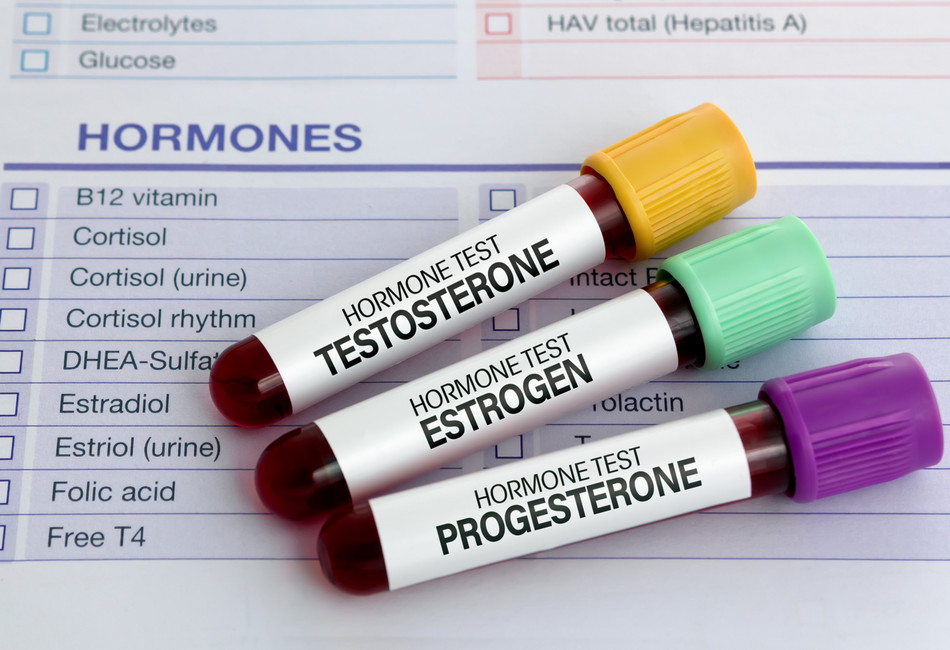
At our practice in Zurich, bioidentical hormones are used as part of medically supervised hormone therapy. They have the same chemical structure as the corresponding hormones produced naturally by the human body. These include, for example, estradiol, progesterone, and testosterone. Treatment may be an option when hormonal changes or a hormone deficiency cause symptoms.
Hormones regulate numerous processes in the body and influence, among other things, metabolism, bone metabolism, sexual function, sleep, and mental well-being. Changes in hormone levels can therefore have a wide range of effects. In women, such changes occur particularly frequently around the time of menopause, but hormonal issues can also affect men.
Hormone therapy can alleviate various symptoms, depending on the individual’s initial condition and the hormones used. These include, for example, hot flashes and night sweats during menopause, vaginal and urogenital symptoms, or sleep problems related to hormonal changes. Maintaining bone mass can also play a role in certain forms of hormone therapy. However, the expected effects in each individual case always depend on the person’s specific situation, symptoms, and potential risk factors.
Dr. Peter Dietz, M.D., therefore places particular emphasis on providing nuanced and individually tailored care. The process begins with a detailed medical history and a precise assessment of the patient’s symptoms. Depending on the specific issue, laboratory tests and additional diagnostic steps may be required. Based on this information, a decision is made as to whether hormone therapy is appropriate, which hormones are suitable, and in what form they can be administered. The treatment is monitored through regular follow-up visits and adjusted as needed.
Both approved hormone preparations and custom-made formulations can be used. The Rimkus method can also be part of a personalized treatment plan—provided it is appropriate for the specific situation.
In our guide to bioidentical hormone preparations, we explain in detail which active ingredients and dosage forms are available and how ready-made medications differ from custom-made formulations.
Bioidentical hormones can also be part of a broader medical approach to healthy aging. We explain in detail what “longevity” means in medicine in our guide.
Cost of Bioidentical Hormones in Zurich
The initial in-person consultation with Dr. Peter Dietz, including blood draw, laboratory testing, and interpretation of results, costs 420 CHF. During the consultation, your symptoms, past experiences, personal goals, and medical history will be discussed in detail. Dr. Dietz will assess your hormonal status and explain whether treatment with bioidentical hormones is a viable option and what the next steps might be.
What factors influence the cost?
The total cost depends on the specific treatment needs. Factors that play a role include the scope of the necessary hormone testing, any laboratory tests, the chosen therapy, and the required follow-up visits. The type, dosage, and form of administration of the bioidentical hormones used can also affect the cost.
Transparency & Guidance
Dr. Peter Dietz will explain which tests and treatment steps are appropriate for your individual case during a personal consultation. During this consultation, you can also discuss what additional costs are likely to arise and which services may be covered by your health insurance. This ensures that, before therapy begins, you have as clear an overview as possible of the planned course of treatment and the associated costs.


Bioidentical Hormones in Zurich—Key Points at a Glance
- Initial consultation: Duration 30–45 min.; includes blood draw, laboratory testing, and interpretation
- Therapy concept: Discussion and notification of findings by e-mail
- Course of Treatment: Regular follow-up visits and hormone monitoring during treatment
- Risks and side effects: These are explained during a personal consultation and taken into account when planning treatment.
- Costs: Depend on diagnostic tests, medications, and follow-up visits; you should check with your health insurance provider to see if they will cover the costs.
The cost of an initial on-site consultation, including blood draw, laboratory testing, and interpretation, is 420 CHF. If you fail to show up for the confirmed initial appointment, you will be charged a no-show fee of 150 CHF.
Who might be a candidate for bioidentical hormones?
Bioidentical hormones can be used to address various hormonal changes. The key factor is not simply whether specific symptoms are present or whether a lab result deviates from the reference range. Hormone therapy is particularly appropriate when symptoms, hormonal status, life stage, and medical history, when considered together, indicate that treatment is warranted.
Which hormones can be used depends on the individual’s specific situation. For women, changes related to menopause are often the primary concern, while for men, a medically confirmed testosterone deficiency, for example, may be a factor. Hormonal issues can also arise outside of these typical situations. Before beginning treatment, it is therefore important to first determine whether the symptoms are actually hormone-related and which form of treatment is medically appropriate.
Menopause in Women
Menopause is one of the most common situations in which bioidentical hormones can be used. Hormonal balance begins to change as early as perimenopause: Estrogen and progesterone levels fluctuate increasingly before their production declines significantly after menopause. The extent to which these changes are noticeable varies greatly from woman to woman.
A recent study on physical changes associated with menopause also illustrates just how profoundly this hormonal transition can affect the body. The Tagesschau news program summarizes the findings and background information.
Typical symptoms include hot flashes, night sweats, and sleep disturbances. These may be accompanied by changes in the vaginal and urogenital areas, such as dryness or discomfort during sexual intercourse. Mood swings, difficulty concentrating, changes in libido, or a general decline in well-being may also occur in conjunction with menopause. However, not all of these symptoms are automatically caused by hormonal changes, which is why a thorough medical evaluation is important.
Hormone therapy may be an option, particularly for severe menopausal symptoms. Which bioidentical hormones are appropriate, what dosage should be used, and which form of administration is best depends on the individual’s situation. In addition to the type and severity of the symptoms, factors such as age, the timing of menopause, pre-existing conditions, personal risk factors, and previous experiences with treatments are also taken into account.
To learn about the functions progesterone performs in the body and the role this hormone can play—especially during menopause—please refer to our guide on the effects of progesterone.
That is why treatments at Medicine & Beauty are not carried out according to a fixed protocol, but are individually planned by Dr. Peter Dietz, M.D., monitored throughout the course of treatment, and adjusted as needed.
Hormonal Changes Outside of Menopause
Hormonal symptoms can also occur independently of the typical menopausal transition. These include, for example, changes during earlier stages of life, a premature decline in ovarian function, or other hormonal shifts that can affect various physical and psychological functions.
Possible symptoms include changes in the menstrual cycle, fatigue, sleep problems, mood swings, changes in libido, or a general decline in well-being. However, these symptoms are not specific to a hormone deficiency and may have other causes. A thorough medical evaluation is therefore particularly important.
As part of the evaluation, symptoms, personal history, and possible contributing factors are considered together. Depending on the situation, additional laboratory tests may be helpful. Only when a plausible hormonal connection emerges from this evaluation can it be determined whether treatment with bioidentical hormones is an option and which form of therapy is appropriate for the individual’s situation.
Hormone Deficiency in Men

Hormone levels in men also change over the course of their lives. Testosterone levels, in particular, can decline with age. However, a low level alone does not automatically mean that there is a hormone deficiency requiring treatment.
Possible symptoms of testosterone deficiency may include, among others, a decreased libido, sexual dysfunction, declining muscle strength, changes in body composition, or reduced physical performance. Fatigue or mood swings may also occur, but these symptoms are nonspecific and can have numerous other causes.
That is why a thorough evaluation is particularly important. To diagnose hypogonadism—that is, a medically significant testosterone deficiency—typical symptoms are evaluated in conjunction with consistently low testosterone levels. In addition, it is important to determine the cause of the hormone deficiency and whether, for example, medical conditions, medications, or other modifiable factors are playing a role.
Only on this basis can a decision be made as to whether hormone therapy is appropriate. If a hormone deficiency is confirmed, testosterone therapy can help alleviate symptoms. The potential benefits and risks, as well as any existing contraindications, are considered on a case-by-case basis, and the treatment is monitored through regular checkups.
In a February 2026 report in Blick, Swiss event entrepreneur Reto Hanselmann speaks openly about his experience with andropause—the hormonal transition phase in men that can often be accompanied by fatigue and a loss of libido and zest for life. After testing positive for drastically low testosterone levels, he has had positive results with targeted hormone therapy.
Dr. Peter Dietz, M.D., medical director of Medicine & Beauty, also emphasizes in the article that hormonal changes in men are increasingly being taken seriously and can be treated, much like menopause in women. This article highlights how important a nuanced diagnosis and personalized hormone treatment—whether conventional or using bioidentical hormones according to the Rimkus method—can be for one’s well-being.
Bioidentical Hormones in Zurich – Personalized Care

Frequently Asked Questions About Bioidentical Hormones in Zurich
Here you'll find concise answers to important questions about bioidentical hormones, their use, and the treatment process.
What side effects can bioidentical hormones have?
Bioidentical hormones can also cause side effects. Which side effects may occur depends, among other things, on the hormone used, the dosage, the form of administration, and the individual’s health status. For example, hormone therapy with estrogen and progesterone may cause breast tenderness, headaches, temporary bleeding, or other symptoms. In addition, certain health risks may be relevant depending on the type of therapy. Dr. Peter Dietz therefore discusses possible side effects and individual risk factors before treatment begins and takes them into account during follow-up visits.
How long does it take for bioidentical hormones to take effect?
There is no one-size-fits-all answer to this question. How quickly an effect is noticed depends on which hormones are used, which symptoms are being treated, and how the body responds to the therapy. Some symptoms may improve within the first few weeks, while others require more time to assess. Therefore, it is not only the patient’s subjective well-being that is crucial, but also the progression of the symptoms and—if medically necessary—further diagnostic monitoring. The treatment can then be adjusted as needed.
What is the Rimkus Method?
The Rimkus Method is a treatment approach using bioidentical hormones, in which hormone levels in the blood are monitored and the dosage is adjusted to suit the individual situation. Typically, specially formulated hormone capsules are used, and their composition can be reviewed over time and adjusted as needed.
At Medicine & Beauty, Dr. Peter Dietz, M.D., determines whether the Rimkus method or another form of hormone therapy is appropriate based on symptoms, medical history, lab results, and personal risk factors.
Do you need a prescription for bioidentical hormones?
The hormone preparations used in medical hormone therapy are prescribed by a doctor. This also applies to specially formulated preparations that are compounded by a pharmacy based on a doctor’s prescription. Before beginning treatment, a medical evaluation should therefore be conducted to determine whether hormone therapy is appropriate in the first place and which hormones, dosages, and dosage forms are suitable for the individual case.
Are bioidentical hormones covered by health insurance?
In Switzerland, coverage cannot be guaranteed across the board. Whether medications are covered depends, among other things, on whether the specific product is listed on the Federal Office of Public Health’s (FOPH) Specialty List and whether the applicable requirements are met. Special conditions may also apply to compounded medications prepared individually in pharmacies. For such compounded medications, it is also important to determine whether the active ingredients and excipients used are included in the List of Medications with Prices (ALT). Therefore, you should clarify directly with your health insurance provider which costs will be covered in your specific case.